Mentorship case study · Nearly one year
Giulia Radicchi
Hidden Gem, a library hideout reclaimed by nature, plus a kitchen environment
Zero Houdini Working on her own
- Houdini
- VEX
- PDG
- SpeedTree
- Copernicus
- Maya
- Nuke
Challenge
Giulia started with no Houdini at all. Her goal was Hidden Gem, her Rookie Awards 2025 entry at Think Tank Training Centre: a hidden mountain shelter overtaken by nature, with bookshelves up to the roof.
Approach
We built the book system in Houdini, one simple book randomized and scattered with for-each loops, Wedge and Copy to Points, then exported to Maya. I also introduced her to SpeedTree for the ivy, maples and oaks. Later we worked on a second set, a rustic kitchen, with procedural props and Copernicus textures.
Outcome
Hidden Gem was entered in the Rookie Awards 2025 with a full breakdown on The Rookies, followed by a finished kitchen environment.
The work, step by step
- 01
One book, then a shelf
Everything starts from a single book. A for-each loop with matchsize copies it along the shelf and lines up each copy, while random scale values give every book its own size.
- 02
Orienting with vector math
To point each shelf the right way, we computed the normal (N) direction with vector math in a wrangle. The short lines in the viewport are those normals.
- 03
Variations with PDG
In TOPs, a Wedge node randomizes parameters on every run and a ROP Geometry node exports each version, so one setup produces many different bookcases, exported to Maya as FBX.
- 04
The assembled library
The generated bookcases together. Four cover texture sets, varied by ID, change the colours from book to book.
- 05
Ivy, maples and oaks in SpeedTree
The vegetation for Hidden Gem came from SpeedTree. This red maple has its own leaf material and colour variations; blockout meshes were used as forces to guide how plants grow around the set.
- 06
A second species
An oak built the same way. Fewer trunk segments and longer internodes keep the polycount low, and Randomize gives quick variations.
- 07
Compositing in Nuke
The final image came together in Nuke from separate AOVs rebuilt back to beauty. Cryptomattes isolate objects so each part can be graded on its own.
- 08
Maya model and light study
Before any texture, the whole kitchen was modeled in Maya and lit in clay, to lock the composition and the low sun coming through the glass roof.
In Giulia's words
I've had the pleasure to work with Mario for multiple mentorships that have taken place between February 2025 and January 2026. We've seen together a variety of topics, from generative systems in Houdini to the building of the perfect LinkedIn profile, from Copernicus to SpeedTree and so on. The mentorship lectures were always perfectly tailored to my needs, whenever I would come up with an issue, Mario would take it as an opportunity to learn and broaden his knowledge while also helping me with my projects, no challenge was ever too hard. Mario is not only a great teacher, but he's also a wonderful human being, extremely passionate about the CGI world and very capable to pass down this love to his students, making his lessons extremely pleasant to attend and always full of relevant content to learn.
I would recommend Mario with no doubt, especially if you're looking for both an expert teacher and a caring mentor to guide you through difficult times and choices.
I sincerely hope to have the chance to work with Mario again in the future!
Mentor's note
Working with Giulia has been one of the most rewarding mentorship experiences I’ve had.
When we began, she had no knowledge of Houdini. What started as a three-month mentorship naturally evolved into nearly a full year of continuous growth. During that time, I watched her transform from a complete beginner into someone who can work confidently and independently inside Houdini.
Step by step, we built strong foundations. I guided her through scattering systems, vector manipulation, VEX, for-each loops, and procedural problem solving, while also helping her develop the right technical mindset. She learned to stay organized, retrace her steps when debugging, and structure her node graphs clearly with meaningful comments to keep her work clean and maintainable.
I wholeheartedly recommend her and hope our paths cross again in the future.
Contact
Want a story
like this?
Every mentorship starts with a free 30-minute call about where you are and where you want to go.
30 min · free · no prep needed · English, Italiano, Español
More students

3 months · Houdini · SpeedTree · Unreal Engine
Jwalin Adhyaru
Tropical bay in Unreal with Houdini, SpeedTree and PCG
Hired after 18 months of job searching
Read the case study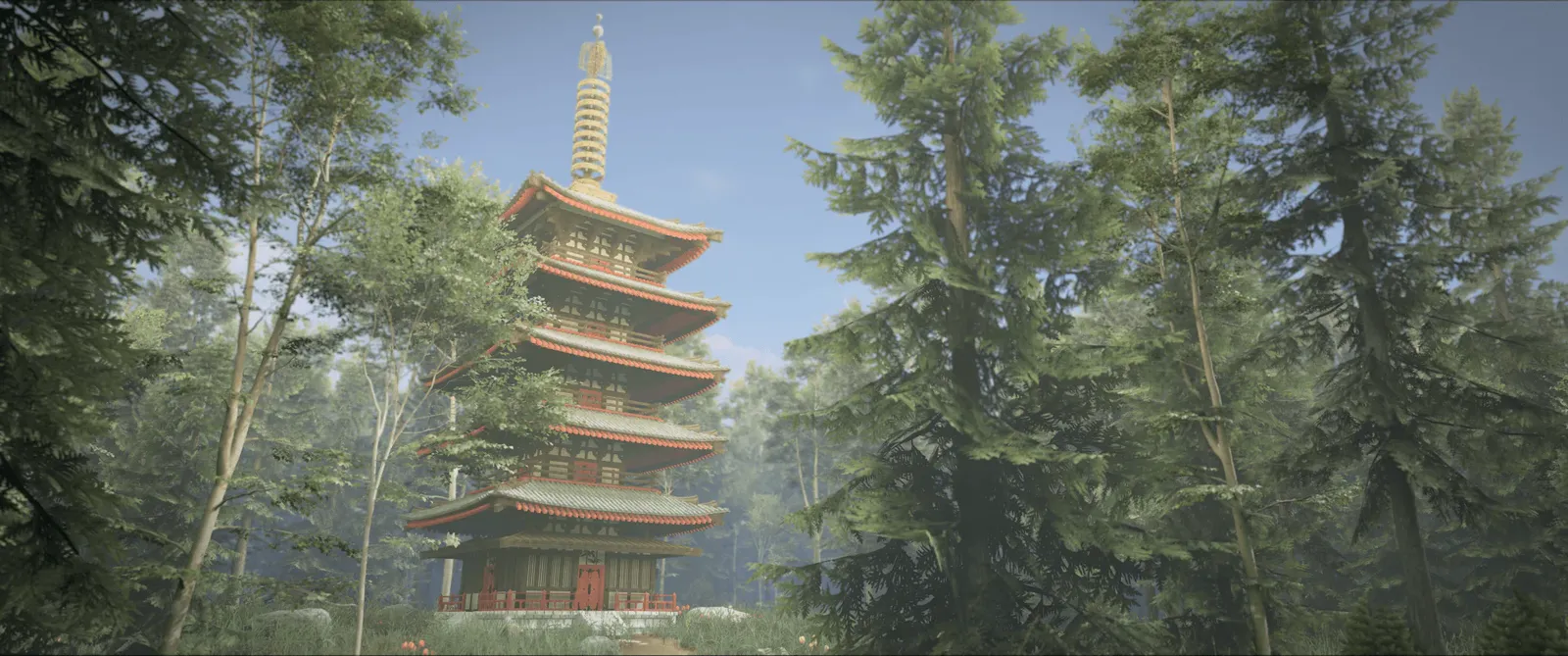
3 months · Maya · Houdini · Copernicus
Joshua Dixon
Forest of Secrets: a pagoda environment from Maya to Nuke
Beginner to intermediate Houdini in three months
Read the case study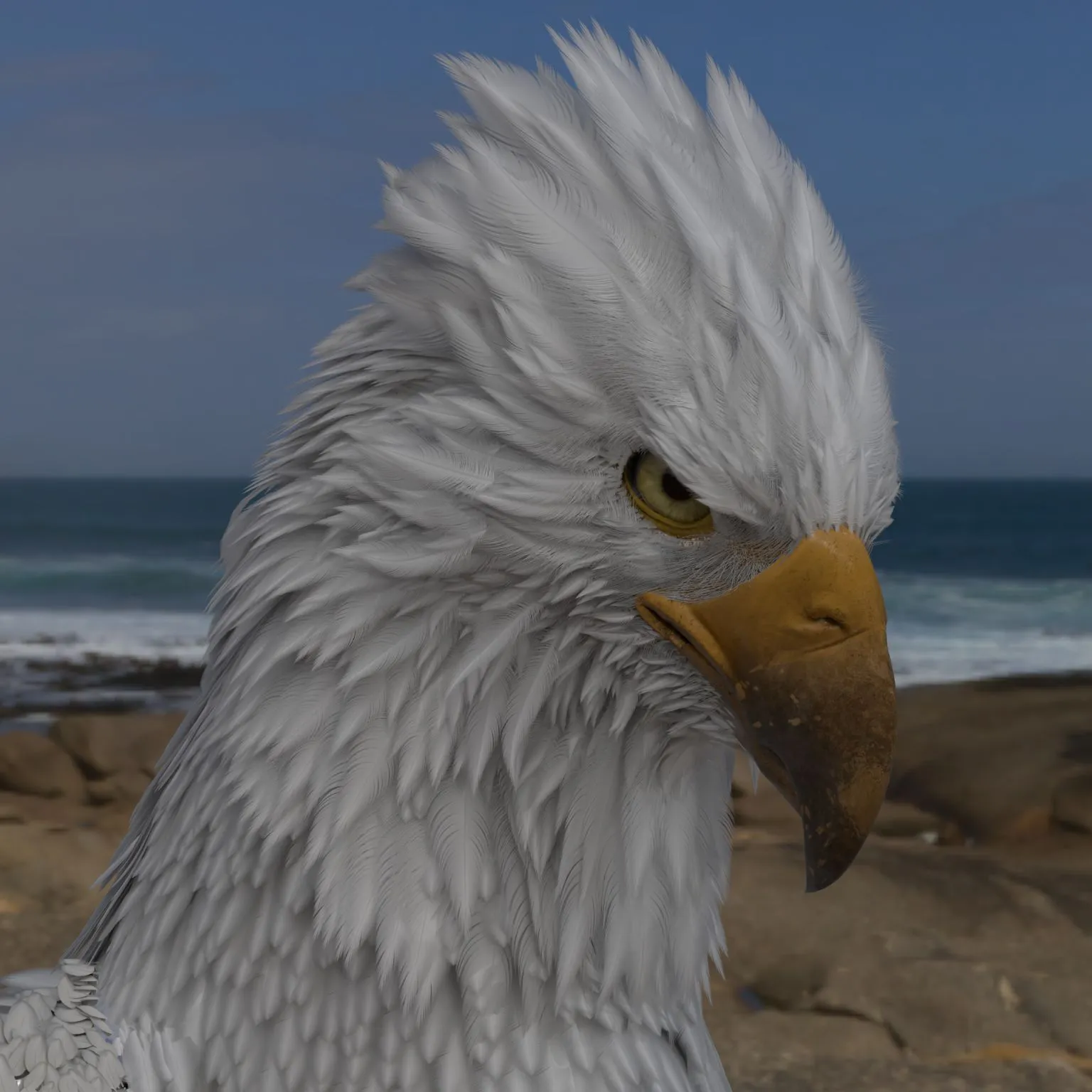
2 months · Houdini · Feathers · Grooming
Devishree Setti
A feathered hippogriff with Houdini's feather and groom tools
Houdini feathers on a full hippogriff in two months
Read the case study
Blender · Geometry Nodes · Instancing
Aranza Espinosa
Curve-driven brushstroke particles in Blender for OSHI
A brushstroke particle system built for OSHI
Read the case study